

Helping Preschoolers Learn Listening Skills

Article Summary Strong listening skills help preschoolers follow directions, participate in conversations, and understand what’s happening around them. Parents can encourage these skills through simple conversations, games, reading, and routines that are already part of the day. Your preschooler is busy taking in a lot of information. They’re learning new words, figuring out social situations,…
Read MoreHow Daily Routines Help Your Preschooler Be Less Anxious
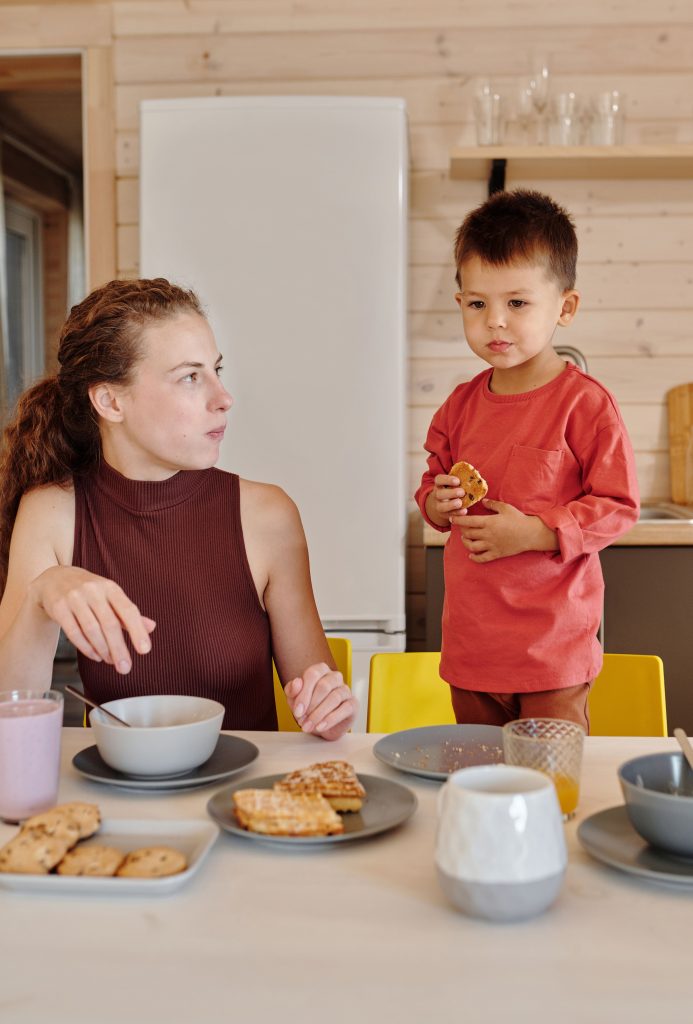
Article Summary Predictable daily routines can help preschoolers feel more secure because they have a better idea of what comes next. From mornings and mealtimes to bedtime, simple patterns throughout the day can reduce uncertainty while helping children build confidence and independence. Why Do Daily Routines Help Preschoolers Feel Less Anxious? Preschoolers experience plenty of…
Read MoreYour Toddler’s First Day of Preschool: How to Make it Easier

Article Summary Your toddler’s first day of preschool is an exciting milestone that often comes with a mix of anticipation and uncertainty. Preparing ahead of time can make the transition easier for both you and your child. This article shares practical ways to build familiarity before preschool begins, create a smooth first morning, and support…
Read MoreBack to Preschool: Helping Your Child Return After Summer
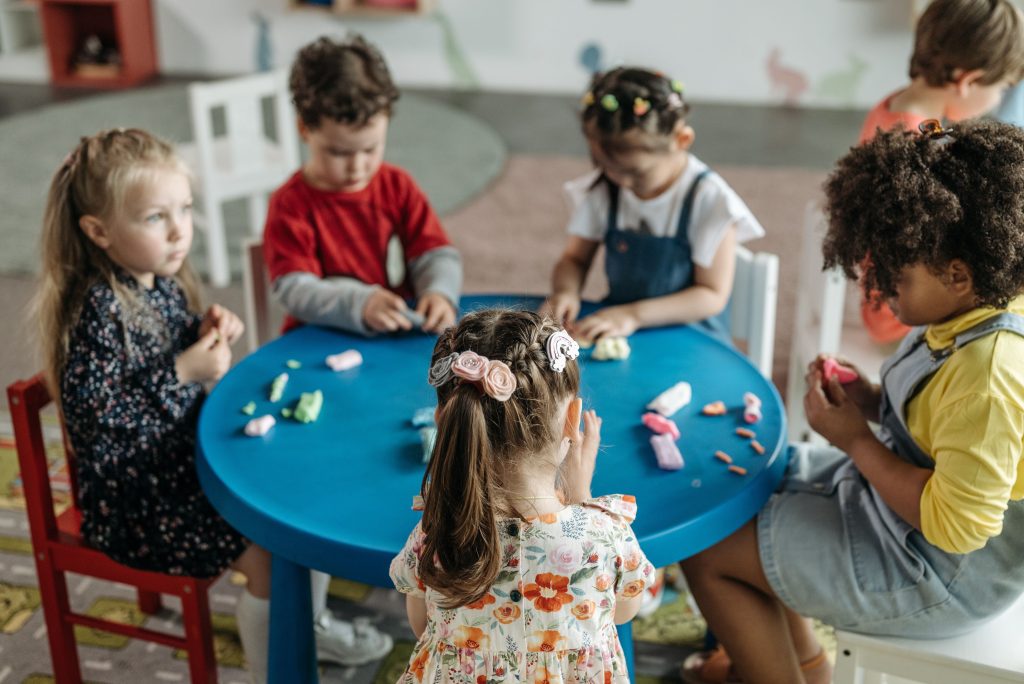
Article Summary Getting ready for back to preschool can bring a mix of excitement, anticipation, and a few nerves. A little preparation at home can make the transition much smoother. From rebuilding daily routines to talking about what to expect, these simple tips can help your child feel more confident and ready for a successful…
Read MoreTraveling with Preschoolers: Road Trip and Flying Tips for a Smoother Trip
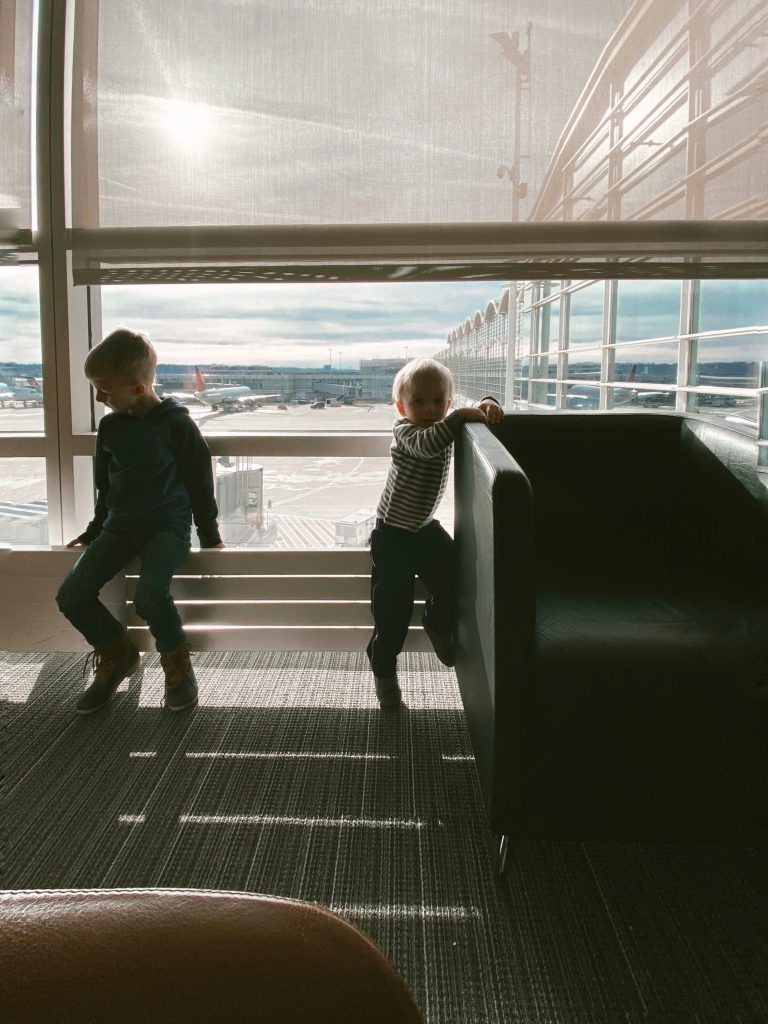
Article Summary: Traveling with preschoolers can be a rewarding experience, but it often comes with unique challenges. Whether you’re driving across the state or flying across the country, a little preparation can make the trip more enjoyable for everyone. This guide covers practical tips for packing, managing routines, handling delays, and keeping young children comfortable…
Read MoreTeaching Preschoolers Responsibility Through Simple Daily Tasks
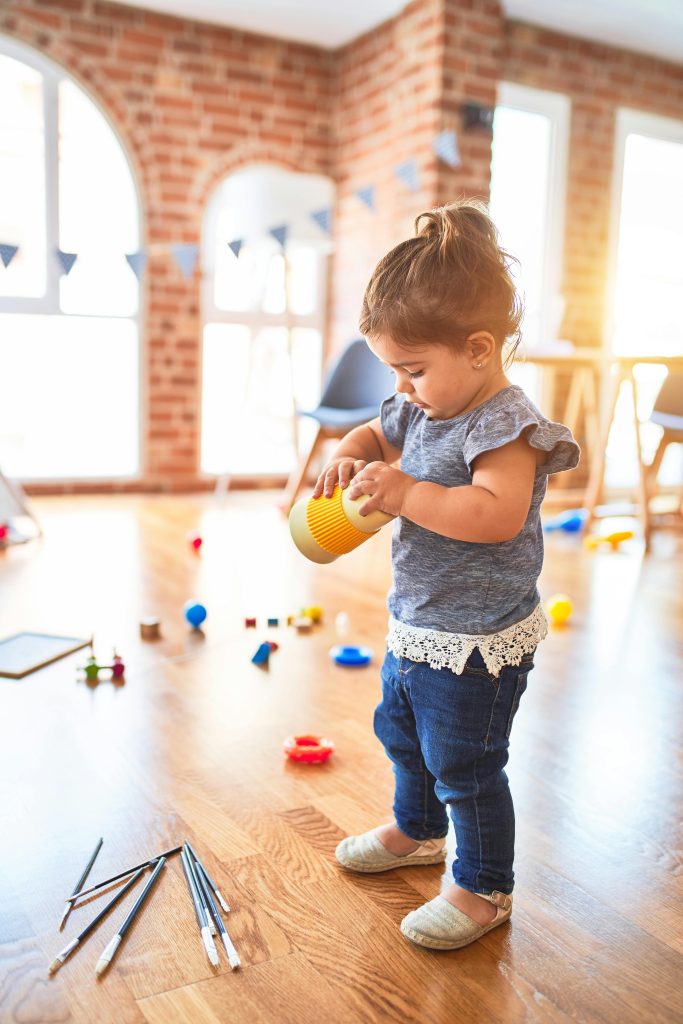
Article Summary: Teaching preschoolers responsibility does not require complex systems or strict rules. Simple daily tasks can help children feel capable, included, and confident. In this article, we’ll look at how age-appropriate chores support independence, what tasks work best at this age, and how to introduce them in a way that feels natural and positive.…
Read MoreBuilding a Bedtime Routine That Works

Article Summary: Evenings can be one of the hardest parts of the day for young children. After a full day of activity, learning, and social interaction, many preschoolers feel tired but struggle to settle down. A consistent bedtime routine helps children regulate emotions, feel secure, and transition into rest more smoothly. In this article, we’ll…
Read MoreHelping Preschoolers Learn to Ask for Help

Article Summary: Helping preschoolers learn to ask for help is an important step in building confidence, communication skills, and healthy independence. Many young children struggle silently or become frustrated instead of seeking support. In this article, we’ll explore why that happens, why it matters, and practical ways parents can teach children when and how to…
Read MorePreschoolers Saying No: What to Do When Everything Feels Like a Battle

Article Summary: If you are raising a young child, you have likely experienced preschoolers saying no to almost everything. This article explains why that happens, what your child is really communicating, and how parents can respond in calm, practical ways. You will learn how to reduce power struggles, encourage cooperation, and support healthy independence without…
Read More